
In the Philippines, once September arrives, Christmas trees line the shopping malls and Christmas songs start playing on the radio. The four months from September to December, whose English names end in “-ber,” are called the “Ber months” and are known as the world's longest Christmas season. Using published data, this piece looks at how this distinctive sense of the season came about and how brands make use of it.
1. Why Christmas starts in September
Nigerian newspaper The Guardian describes the Philippine Christmas season as opening on September 1 and running until the Feast of the Epiphany (Three Kings' Day) the following January. It cites as reasons the fact that more than 80% of the population is Roman Catholic, customs dating from Spanish rule, and the year-end period when Filipinos working abroad (OFWs) return home and families reunite.
Philippine radio station DZRH also argued in December 2025 that, along with faith, the long season is sustained by mall decorations, songs by Jose Mari Chan and Mariah Carey, preparations for family meals on Christmas Eve and New Year's Eve, and year-end bonuses and remittances. On the other hand, a column in The Freeman, a Philstar regional paper, says the September start is an exaggeration and that the real buzz runs from mid-October to mid-January. It is closer to reality to see September 1 as a cultural signal declaring the start of the season.
2. Jose Mari Chan, the man who signals the start
The symbol of the Ber months is singer Jose Mari Chan. His album featuring “Christmas in Our Hearts,” released in November 1990, has been reported as the best-selling album in the Philippines, with about 800,000 copies sold. Every September 1, social media fills with memes to the effect that “he has arrived,” and in 2025 a senator, a popular TV program and even the official account of Malabon City posted about him. Chan himself said in 2022 that the memes make him proud.
The enthusiasm shows up in streaming data. According to Spotify, on September 1, 2018, Christmas songs accounted for 2.73% of all streams in the Philippines, the highest share in the world. No other country exceeded 1% that day. In 2023, Chan was the most-streamed holiday artist in the Philippines, ahead of Ariana Grande and Mariah Carey.
3. How wallets fill up at year-end
The long shopping season is supported by the legally mandated “13th-month pay.” Under Presidential Decree No. 851, signed in 1975, private-sector rank-and-file employees must be paid at least one-twelfth of their annual basic salary by December 24. Bonuses and similar benefits are exempt from income tax up to 90,000 pesos.
Remittances from abroad also peak in December. Bangko Sentral ng Pilipinas (BSP) data show that cash remittances in December 2025 rose 4.2% year on year to US$3.522 billion, a record for a single month. Reports attributed the growth to bonus payouts and holiday demand. Two streams of money, domestic pay and remittances from abroad, flow into households at the same time at year-end.
4. How brands use the Ber months
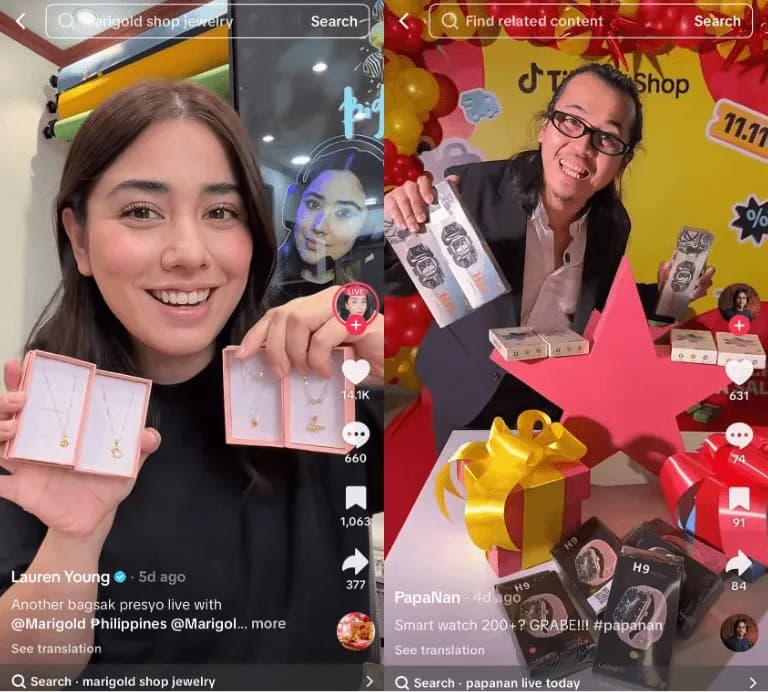
E-commerce platform Shopee positioned its September 9 “9.9” sale in 2020 as the start of the Christmas season and named Jose Mari Chan as its ambassador. It ran a TikTok dance challenge with prize money of 99,000 pesos from September 1 to 15 and aired a TV special on September 9. During the 2021 9.9 sale, more than 9.5 million items were reported sold in Metro Manila alone during the peak hour. In 2025, Shopee again presented 9.9 as the start of the year-end shopping season, and the September sale has become established as the season's starting gun.
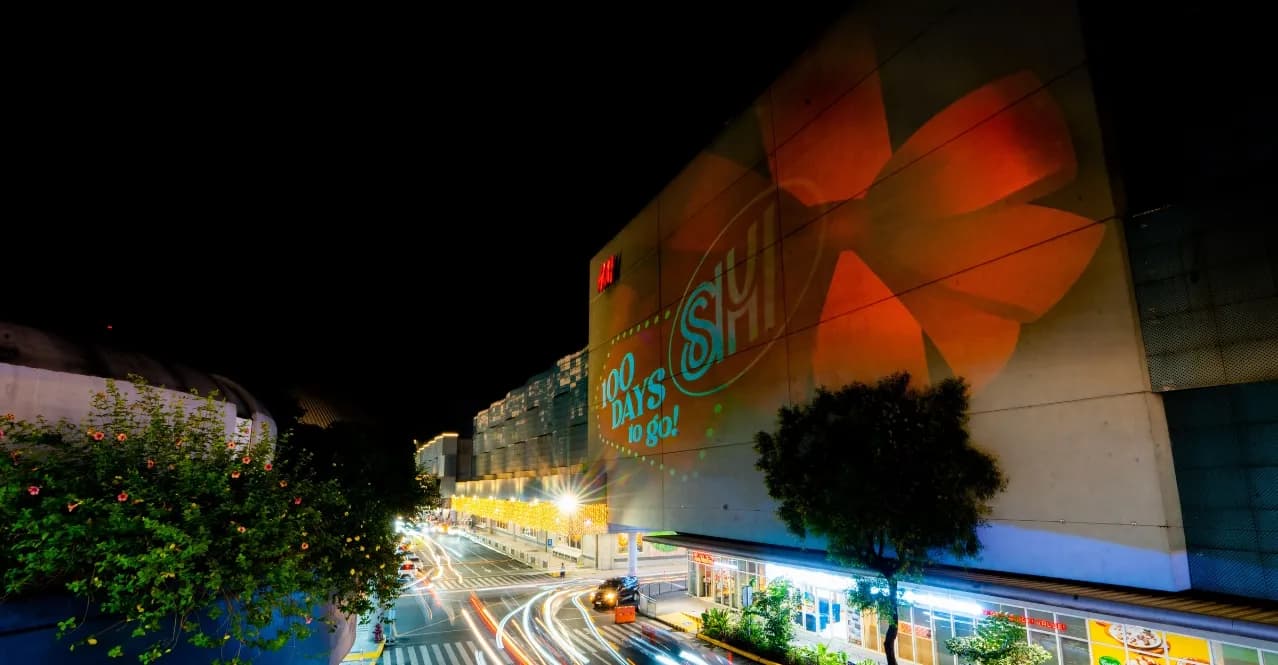
Malls and beverage makers move early too. In 2025, SM Supermalls ran its “100 Days of Kindness” campaign at 88 malls nationwide from September 16 to December 25. In 2024, Coca-Cola Philippines ran a “Christmas Truck Tour” from September 1 through December and staged a show with more than 1,300 drones in Manila on November 30.
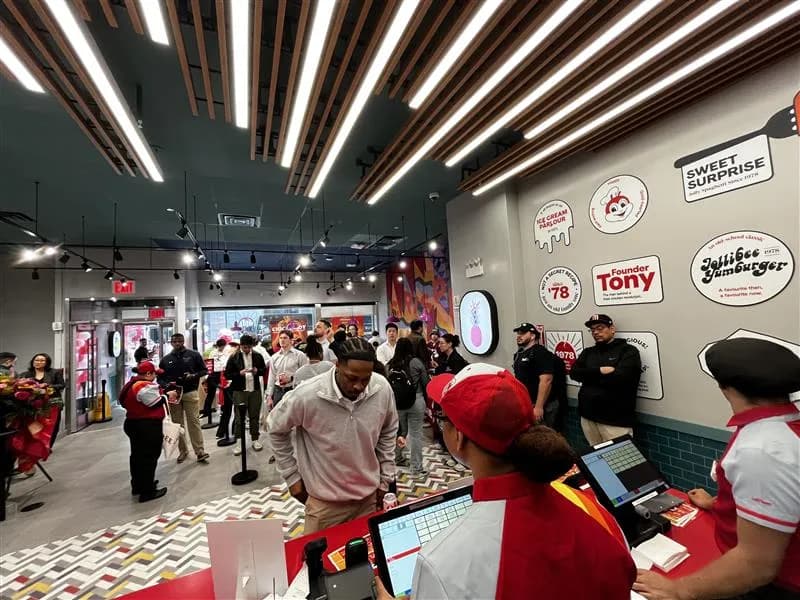
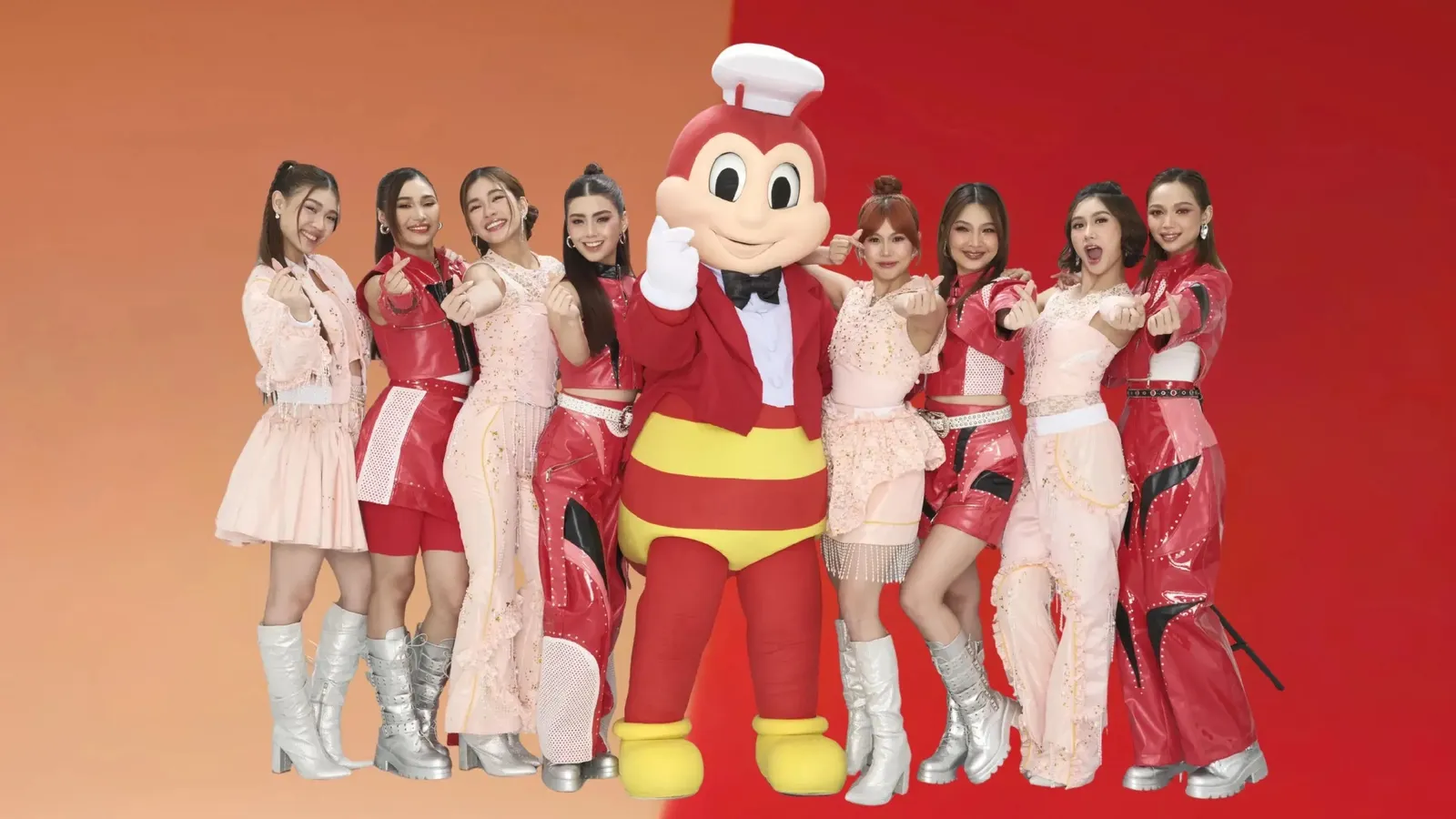
Fast-food chains compete with stories. In 2025, McDonald's Philippines again brought together founder George T. Yang, who had long appeared alongside Chan in holiday ads, and Chan himself, with a message that Happy Meal sales would go toward supporting children. In November of the same year, Jollibee decorated 300 stores nationwide for Christmas and launched a holiday campaign running about two months.
5. What it means for Japanese companies
The Ber months show that year-end shopping in the Philippines is not a single December push but a phased campaign spread over four months. September sets the seasonal mood, purchases build through the e-commerce sales running from 9.9 to 11.11 and 12.12, and the biggest peak arrives in December with bonuses and remittances. For Japanese companies taking part in the Philippine holiday season, the starting point is to begin preparing during the summer and make the first push to coincide with the September 1 signal.
Sources
The Guardian Nigeria, Why Filipinos celebrate Christmas from September to January
DZRH, Why the Philippines has the longest Christmas season in the world
Interaksyon, Filipinos' early Christmas song tradition (Spotify)
Inquirer USA, Jose Mari Chan claims spot as PH's top holiday artist on Spotify
GMA News, Jose Mari Chan on memes: When 'ber' months come, I feel proud
Newsbytes.PH, Shopee signals start of Christmas season with 9.9 Super Shopping Day
Marketing-Interactive, Shopee PH sells 9.5M items first hour on 9.9
Malaya Business Insight, SM Supermalls kicks off 100 days to Christmas with kindness campaign
Marketech APAC, Coca-Cola unveils roster of consumer experiences for upcoming Christmas festivities
Manila Bulletin, Iconic ad duo George Yang, Jose Mari Chan lead McDonald's push for child charity
Marketech APAC, Jollibee transforms 300 stores nationwide into festive spaces
Marketing-Interactive, Buo ang saya ng Pasko: Jollibee champions evolving forms of togetherness