
In the Philippines, it is not unusual for people to handle everything from paying at food stalls to utility bills, small loans and insurance sign-ups in a single app. That app is GCash, the e-wallet operated by Mynt, an affiliate of telecom giant Globe. It has 94 million registered users, about 80% of the population. With a listing on the Philippine Stock Exchange set for October 20, 2026, it is drawing attention as the largest initial public offering (IPO) in the country's history. This piece traces, from a marketing perspective, how GCash grew into a national app.
1. GCash's scale in numbers
According to reports based on the IPO prospectus, GCash had 40.4 million monthly active users as of the end of March 2026, equal to about 55% of adults. It handles 62.4 million transactions a day, with 2.1 million merchants accepting QR payments and 1.3 million cash-in and cash-out points. In 2025, its transaction value reached 17.03 trillion pesos, revenue 79.7 billion pesos and net income 17.25 billion pesos. Revenue more than doubled in two years, from 33.6 billion pesos in 2023.
The IPO offer price was set at 6.60 pesos per share. The offering is expected to raise about 60 billion pesos at a market capitalization of about 441.5 billion pesos, and has been reported as the largest IPO in the country's history.
2. Twenty years that began with SMS transfers
GCash launched in October 2004 as a service for sending money by SMS. In 2017, Ant Financial (now Ant Group), an affiliate of China's Alibaba, and Philippine conglomerate Ayala invested in Mynt. From 2019, GCash migrated to the Alipay+ technology platform, raising its processing capacity from 400 to more than 1,000 transactions per second, after which its user base roughly tripled. In 2021 it raised US$300 million at a US$2 billion valuation and was called the country's first “double unicorn.” In August 2024, additional investment from Ayala and MUFG Bank lifted its valuation to US$5 billion.
3. The pandemic accelerated adoption
The turning point was the COVID-19 pandemic. Users grew from about 20 million in 2019 to more than 33 million in 2020, and transaction value in 2020 rose 254% year on year to more than 1 trillion pesos. Under the government's emergency Social Amelioration Program (SAP), more than 16 billion pesos was distributed to 2 million people through GCash. As a contactless way to receive cash, it spread quickly even among people who had never had a bank account.
Society as a whole is also going digital. According to the Bangko Sentral ng Pilipinas (BSP), digital payments made up 57.4% of retail payments by volume and 59.0% by value in 2024, continuing to rise after surpassing the 50% target in 2023.
4. GForest, where trees grow the more you use it
One feature that stands out for boosting usage is GForest, a game-style function launched in 2019. Sending money, paying bills or making bank transfers earns “green energy” points used to grow a virtual tree. When the tree is fully grown, partner organizations plant a real one. Linking everyday payments to a small reward of contributing to the environment builds the habit of opening the app.
In July 2025, the UN Development Programme's (UNDP) Biodiversity Finance Initiative (BIOFIN) reported that GForest had reached 24 million users, with more than 4 million trees planted across 14,300 hectares and a survival rate of 90%. Modeled on Ant Forest in China's Alipay, the feature has won wide support in the Philippines as well.
5. 'Sachet-sizing' finance to fit into daily life
GCash has expanded beyond payments into lending, insurance and savings. By the end of June 2025, it had lent a total of 287 billion pesos to 9.5 million people through loan services such as GLoan and GGives. Its insurance service, GInsure, offers products from 30 pesos for 30 days and has run promotions bundling free health insurance with mobile load purchases. As of the first quarter of 2025, it had 14.6 million users.
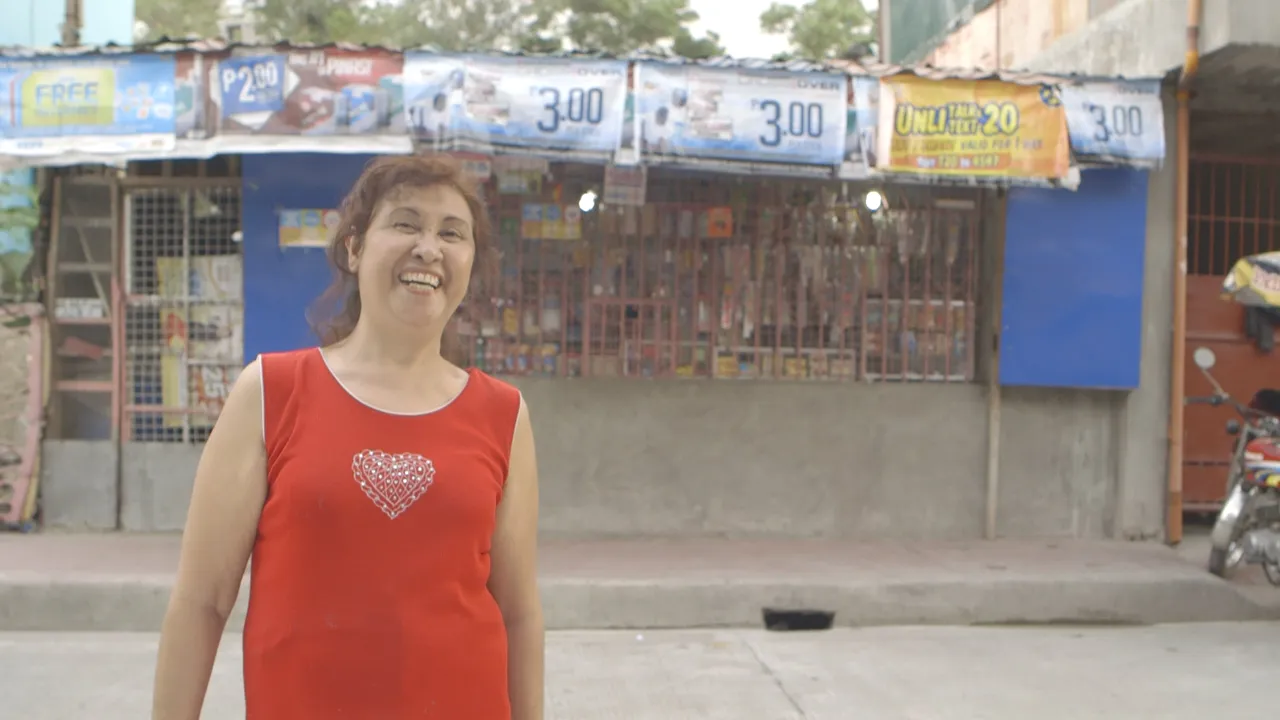
In the Philippines, with its sachet culture of buying daily goods one portion at a time, breaking financial services down into small, short-term products that people can try has helped them reach those who never used banks.
6. Replacing cash in markets and tricycles
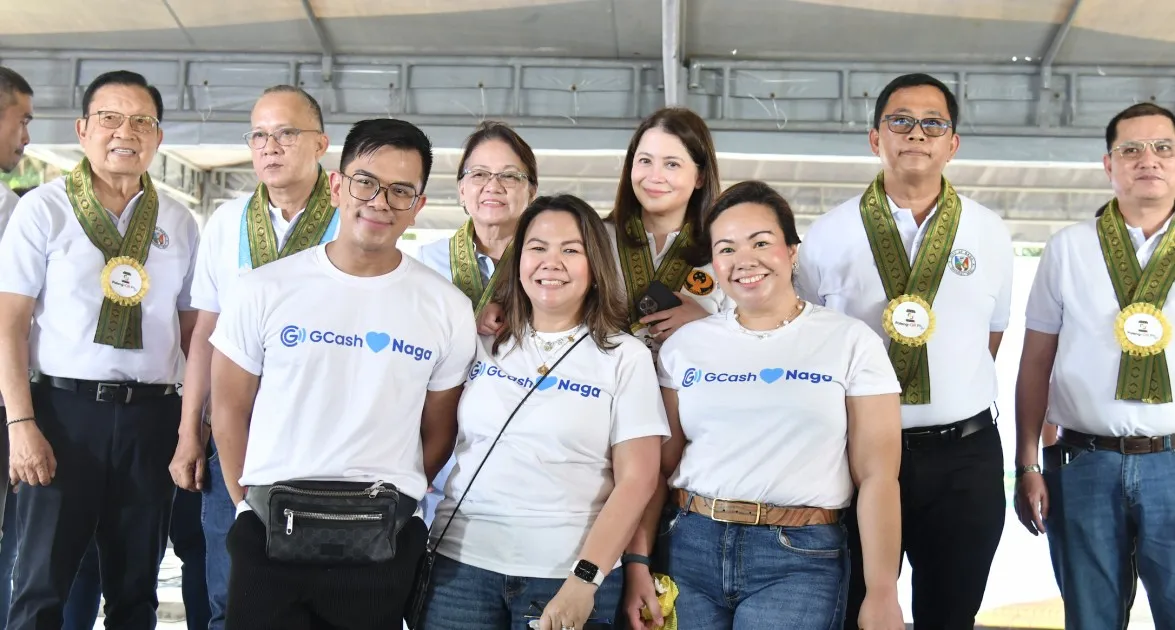
GCash has also kept up grassroots efforts to spread adoption where cash remains strong. According to Alipay+ materials, GCash placed “GCash ambassadors” in 100 markets nationwide and introduced dynamic QR codes to prevent fraud using photos of the screen. It says 90% of tricycle fares were under 20 pesos and paid in cash. In a pilot in Naga City under Paleng-QR Ph, a cashless public market program run by the BSP and the Department of the Interior and Local Government (DILG), 535 stalls took part. In July and August 2026, GCash also ran a campaign offering up to 30% cashback on QR rides on Manila's LRT-2 and MRT-3 rail lines.
7. What it means for Japanese companies
GCash's growth comes not only from technology but from steadily accumulated marketing that reaches into the details of daily life. It expanded usage by meeting the social need for emergency aid, built habits with game elements, worked its way into everyday life with small financial products, and replaced cash in markets and on public transport. For Japanese companies offering consumer services in the Philippines, accepting GCash payments is fast becoming a prerequisite. Promotions and partnerships on GCash are also worth considering as a strong channel for reaching local consumers. Rival Maya also posted its first full-year profit (1.7 billion pesos) in 2025, and how competition between the two plays out is worth watching.
Sources
Insider PH, Inside Mynt's IPO: GCash growth, profits and key investor risks
GMA News, GCash parent Mynt sets final IPO price at P6.60 per share
Globe Telecom, Ant Financial, Ayala Corporation invest in Mynt
SunStar, BSP: Digital payments now over 57% of retail transactions
Fintech News PH, GCash GInsure insurance reach 14 million Filipinos
Insider PH, GCash expands cashless rail commute with LRT-2, MRT-3 cashback promo