
With a population of about 110 million and a median age in the mid-20s, the Philippines is a young market with a marketing environment unlike any other in Southeast Asia. Methods that worked in Western markets or Japan often fall short when brought over unchanged, yet brands that understand how local consumers behave can spread remarkably fast. Drawing on published data, this piece sets out six ways Philippine marketing differs from the rest of the world.
1. Social media time at about 2.5 times the global average
According to Meltwater's Philippine edition of its Digital 2026 report, Filipinos spend more than 84 hours a month on social media, well above the global average of 34 hours. They watch more than 20 hours of online video a week, the second-longest in the world. Total time spent on digital media, at 54 hours a week, is also the second-highest in the world after Kenya.
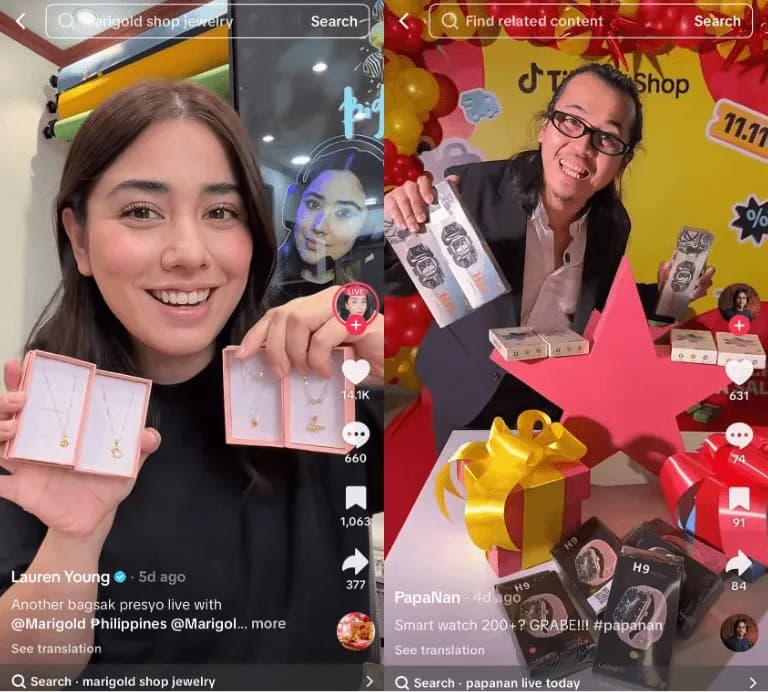
This has changed how people find brands. In the same report, 41.9% said they discover new brands through social media, and 90.6% of social media users watch short-form video regularly. Rather than the Western-style funnel that starts with search ads or websites, the main path tends to be building awareness through video on social media and then moving straight into purchase conversations through comments and messages.
2. Trust in influencers at twice the global level
Meltwater's data also show that 45% of Filipino social media users follow influencers, roughly double the global average of 22%. In the Philippines, popular TV actors and celebrities front advertising, and creators on social media also introduce products almost as close friends would, which tends to lead directly to purchases.
Many global companies treat influencer campaigns as a support for awareness, but in the Philippines it is not unusual for them to be the core of the marketing plan. What drives results is less the scale of the campaign than the creator's closeness to followers, regional roots and language, whether English, Tagalog or a mix of the two.
3. The sachet economy, where buying in small portions is the norm
Everyday consumption in the Philippines rests on sari-sari stores, small family-run shops estimated to number about 1.3 million nationwide (Maybank Research estimate, as reported by The Manila Times). They sell shampoo, condiments and coffee in single-use sachets, and the habit of tingi, buying only what is needed for the day, is deeply rooted.
A study from the Ateneo de Manila University Graduate School of Business (Ang & Sy-Changco, 2007) described sachet marketing in the Philippines as pervasive and highly successful. It attributed that success not only to the presence of low-income consumers but to three factors: a retail network within easy reach, consumer aspirations shaped by exposure to Western media, and technology that makes small packaging cheap.
The same idea extends to telecoms. Major mobile brand TNT sells prepaid call and data loads from 10 pesos, and small, short-term products are standard. For Japanese companies launching products, offering a price point that lets people try a single portion first is a faster route to adoption than a large value pack.
4. Long-form story ads that appeal to emotion
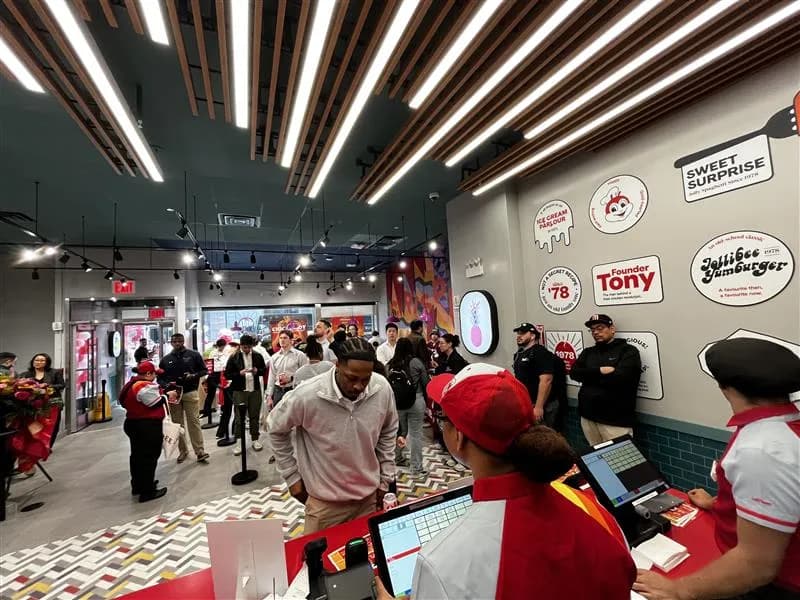
Philippine advertising that has drawn global attention includes “Kwentong Jollibee,” the short-film-style ads from fast-food chain Jollibee. Three Valentine's videos created by McCann Worldgroup Philippines were reported to have drawn a combined total of about 50 million views on the brand's official Facebook page. The creative team cited research ranking Filipinos among the most emotional people in the world and said stories inspired by real events struck a chord.
The effect showed up in sales. In 2017, Jollibee's head of corporate communications said sales of the Yum burger featured in one film in the series, “Crush,” quadrupled after its release. In the Philippines, offering an experience of being moved to tears by a brand through a few minutes of story about family or romance has delivered results where a 15-second ad explaining product features might not.
5. Families across borders as the target
Many Filipinos work overseas as Overseas Filipino Workers (OFWs). According to the Bangko Sentral ng Pilipinas (BSP), cash remittances from abroad reached a record US$35.63 billion in 2025, equal to 7.3% of gross domestic product (GDP). Because part of household purchasing power arrives from abroad, there is large demand from family members overseas buying for family members at home.
International money transfer service WorldRemit, for example, lets people abroad send prepaid load to mobile phones in the Philippines. A GSMA report says a Globe-affiliated remittance service handles funds from about 8 million OFWs. A question specific to the Philippine market is whether a brand can design its messaging for the sender, on the premise that the buyer and the user live in different countries.
6. A mobile-first market built on texting culture
In the 2000s, the Philippines was called the “texting capital of the world.” According to International Telecommunication Union (ITU) materials, SMS was introduced by Globe Telecom as a free service in 1994 and spread with the launch of prepaid service in 1999. By 2005, an average of 250 million messages were sent a day, and according to the National Telecommunications Commission (NTC), that doubled to about 500 million in 2006. A LIRNEasia survey found that almost everyone in low-income groups sent at least one text message a day.
That habit of small, prepaid, mobile transactions carried straight into today's spread of social media and mobile payments. Smartphone ownership has reached 98.6%, so in the Philippines customer experiences need to be designed around the smartphone rather than the PC.
Conclusion: Key points for Japanese companies
Taken together, the six features point to one pattern: Philippine marketing builds trust through people and stories on social media, then sells in small, affordable units. Rather than competing on ad spend or brand awareness alone, success in the Philippine market depends on winning empathy through influencers and storytelling, setting prices that let people try a single portion, and picturing a buyer that includes family members overseas.
Sources
GMA News, Filipinos lead in online shopping, video streaming — global report
Newsbytes.PH, Report: PH among world's most connected and digitally empowered nations
The Manila Times, Cautious spending seen benefiting sari-sari stores
Lifestyle.INQ, 50 million hits: Or why the Jollibee Valentine ads hit home
GMA News, Yum burger sales quadrupled because of viral 'Crush' ad — Jollibee exec
GSMA, Mobile money in the Philippines: Market conditions drive innovation with Smart Money and GCash