
For a long time in the Philippines, Korean actors and K-pop idols served as the faces of major brands. From around 2024, however, local idol groups, known as P-pop, moved to the forefront of advertising. Girl group BINI and boy group SB19 in particular have been signed by a wide range of brands in telecoms, food, apparel and e-commerce. Using public information, this piece traces the shift from the heyday of Korean stars to the P-pop boom.
1. The era when Korean stars dominated advertising
Apparel brand Bench is regarded as the pioneer of using Korean talent in the Philippines. In 2012 it signed Super Junior's Siwon and Donghae as its first Korean models, and later that year it signed actor Lee Min-ho. According to Philstar, about 10,000 people attended Lee Min-ho's fan event at the Araneta Coliseum in 2012.
From 2020, the major telecom companies competed for Korean stars. Smart signed Hyun Bin in May 2020, Son Ye-jin in August and Park Seo-joon in October, then signed BTS in January 2021. Rival Globe had just signed BLACKPINK. Apparel brand Penshoppe also kept signing Korean stars: Sandara Park (2015), BLACKPINK's Lisa (2019), Cha Eun-woo (2021) and NCT DREAM (2022). In 2021, though, some consumers criticized telecom companies for spending on Korean stars rather than improving network quality.
2. BINI's rapid rise
BINI is an eight-member group that came out of an ABS-CBN idol training program and officially debuted in June 2021. The turning point was “Pantropiko,” released at the end of 2023, which spread on TikTok and reached a combined 100 million streams on Spotify and YouTube Music in July 2024. In April 2024 it logged 3.26 million streams in a single day on Spotify Philippines, surpassing BLACKPINK's “Pink Venom” for the highest single-day streams by a girl group in the country's Spotify history. BINI also became the first Philippine act to top Spotify Philippines' daily artist chart, ahead of Taylor Swift.
That popularity carried over to live audiences. In February 2025 the group drew 55,000 people to the indoor Philippine Arena, becoming the first Philippine act to sell out a solo show at the venue. In April 2026 BINI became the first Philippine act to perform at the Coachella festival in the United States, and in July 2026 the group was appointed a tourism ambassador by the Department of Tourism.
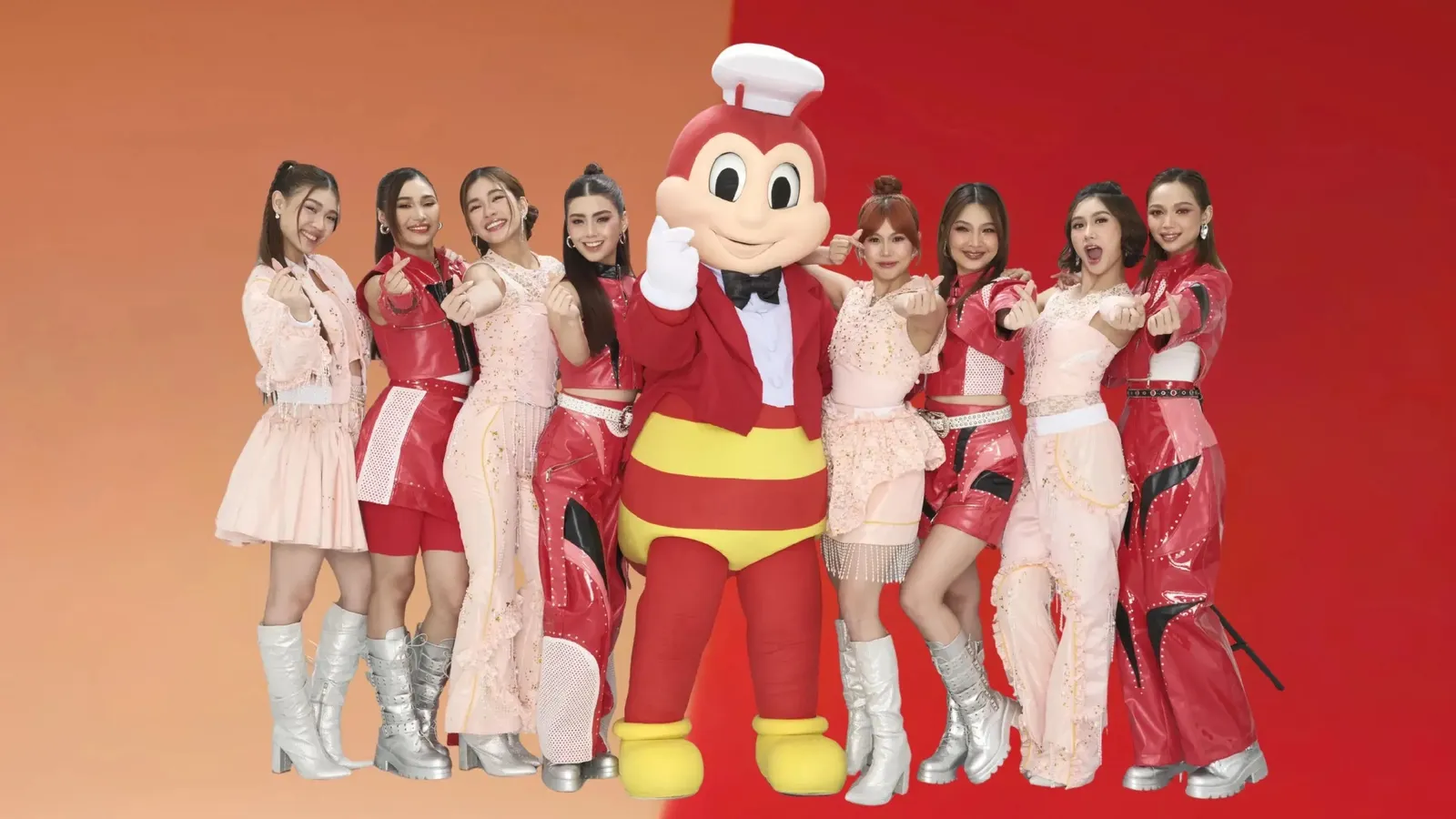
Brand deals also multiplied quickly. According to Rappler, the Shopee deal announced in May 2024 was the group's ninth endorsement, following deals with Globe, Samsung, Coca-Cola and Maybelline, among others. Entertainment outlet PEP listed 17 brands using BINI as of December 2024, including Pond's, Nescafé, Jollibee, Penshoppe and Puregold.
3. SB19, the pioneer
SB19, which debuted in October 2018, paved the way for the P-pop boom. It became the first Philippine act to enter the US Billboard Social 50 chart, peaking at No. 6. At the 2021 Billboard Music Awards it became the first Southeast Asian act nominated for Top Social Artist.
SB19 has been signed by many brands, including Lucky Me, Pepsi, GCash and McDonald's. In December 2024, PEP estimated SB19's fee per branded post at more than 3 million pesos on TikTok, about 2 million pesos on Facebook and about 1 million pesos on Instagram. That same month, Bench, which once used Lee Min-ho, launched a collaboration collection with SB19, and in May and June 2025 the group drew about 70,000 people over two concerts at the Philippine Arena.
4. Why brands choose local artists
Explaining why it chose BINI, Shopee's regional marketing head said Gen Z wants ambassadors it can relate to. Research by Shopee and Kantar found that one in four Gen Z consumers aged 18 to 24 use e-commerce as their main way of shopping, and that Gen Z purchasing power in Southeast Asia could rise by up to US$140 billion by 2030.
Fan engagement is also large. An analysis by research firm Capstone-Intel found that in 2024, 12,904 P-pop-related posts on Facebook drew a total of 10.6 million reactions, 75.8% of them “love” (heart) reactions. Jollibee made BINI the face of its Yum burger from June 2024 and teamed up with the group again as “JolliBINI” in October 2025. Fans buying products and sharing them on social media has itself become a source of reach for brands.
5. What it means for Japanese companies
If using Korean stars was a strategy of selling aspiration, using P-pop is a strategy of selling pride and connection. Pride in homegrown artists standing on the world stage is driving fans' buying behavior. Note that no public data could be found comparing endorsement fees with those of Korean stars, nor specific results such as products selling out after BINI was signed. When Japanese companies choose ambassadors in the Philippines, it is important to look beyond name recognition to the age and behavior of the fan base and the quality of reactions on social media.
Sources
The Diarist, How Ben Chan became the pioneer of Korean wave in PH
Marketech APAC, PH telco Smart's new ambassador K-pop group BTS
ABS-CBN, BINI's Pantropiko reaches 100 million streams on Spotify, YouTube Music
Inquirer USA, BINI tops P-pop, breaks BLACKPINK's Pink Venom record on Spotify PH
Gulf News, SB19 makes history with Simula at Wakas concert at Philippine Arena