
If one team stirs the emotions of Filipinos more than any other, it is the men's national basketball team, Gilas Pilipinas. In 2023 it broke the attendance record for an international FIBA event at the Basketball World Cup co-hosted with Japan and Indonesia, and later that year won gold at the Asian Games for the first time in 61 years. This piece traces how a national team born from corporate support became a national brand.
1. A national program born from a businessman's support
“Gilas” is a Filipino word close in meaning to “exceptional strength” and comes from the name of the eagle mascot of the 2005 Southeast Asian Games held in Manila. At the Samahang Basketbol ng Pilipinas (SBP), which runs the national program, businessman Manny V. Pangilinan (MVP), who leads the PLDT telecom group, became president in 2007. The national program was conceived around 2008 and launched in earnest in 2009 as “Smart Gilas Pilipinas,” carrying the name of telecom company Smart.
In January 2013, after talks with the professional PBA over releasing players, the “Smart” name was removed from the team name and jerseys, leaving the current “Gilas Pilipinas.” With its biggest backer dropping its own name, the team shifted from a single company's banner to the country's team. Smart has been reported to have continued supporting basketball at around 65 million pesos a year.
2. The birth of the rallying cry 'Puso'
The word that symbolizes Gilas is “Puso,” Filipino for “heart.” The cry began when Marc Pingris shouted it at the 2013 FIBA Asia Championship. At that tournament the team beat South Korea in the semifinals and qualified for the World Cup. The word, summing up the sight of players taking on bigger opponents with sheer heart, became the fans' rallying cry and the team's brand itself.
3. The 2023 World Cup that produced a world record
On August 25, 2023, the opening game against the Dominican Republic at the Philippine Arena drew 38,115 people, breaking the attendance record for an international FIBA event. The previous record was 32,616 at the 1994 final in Toronto. Although the team lost, the game showed the world the Philippines' passion for basketball.
Across the tournament, attendance topped 700,000, video views reached 4.5 billion and impressions exceeded 20 billion, with broadcasts in 190 countries. SBP president Al Panlilio announced that the event generated an economic impact of 17.8 billion pesos and drew at least 10,000 tourists, 77% of whom said they intended to return. The name of the survey behind these figures, however, was not given.
4. Winning makes the story stronger
In October 2023, Gilas beat Jordan 70-60 in the Asian Games final in Hangzhou, China, winning gold for the first time since 1962, 61 years earlier. The team was led by Tim Cone, who has also built a strong record with pro team Ginebra, and naturalized player Justin Brownlee scored 20 points. In July 2024, at an Olympic qualifier for Paris held in Latvia, Gilas stunned the world by beating world No. 6 Latvia 89-80.
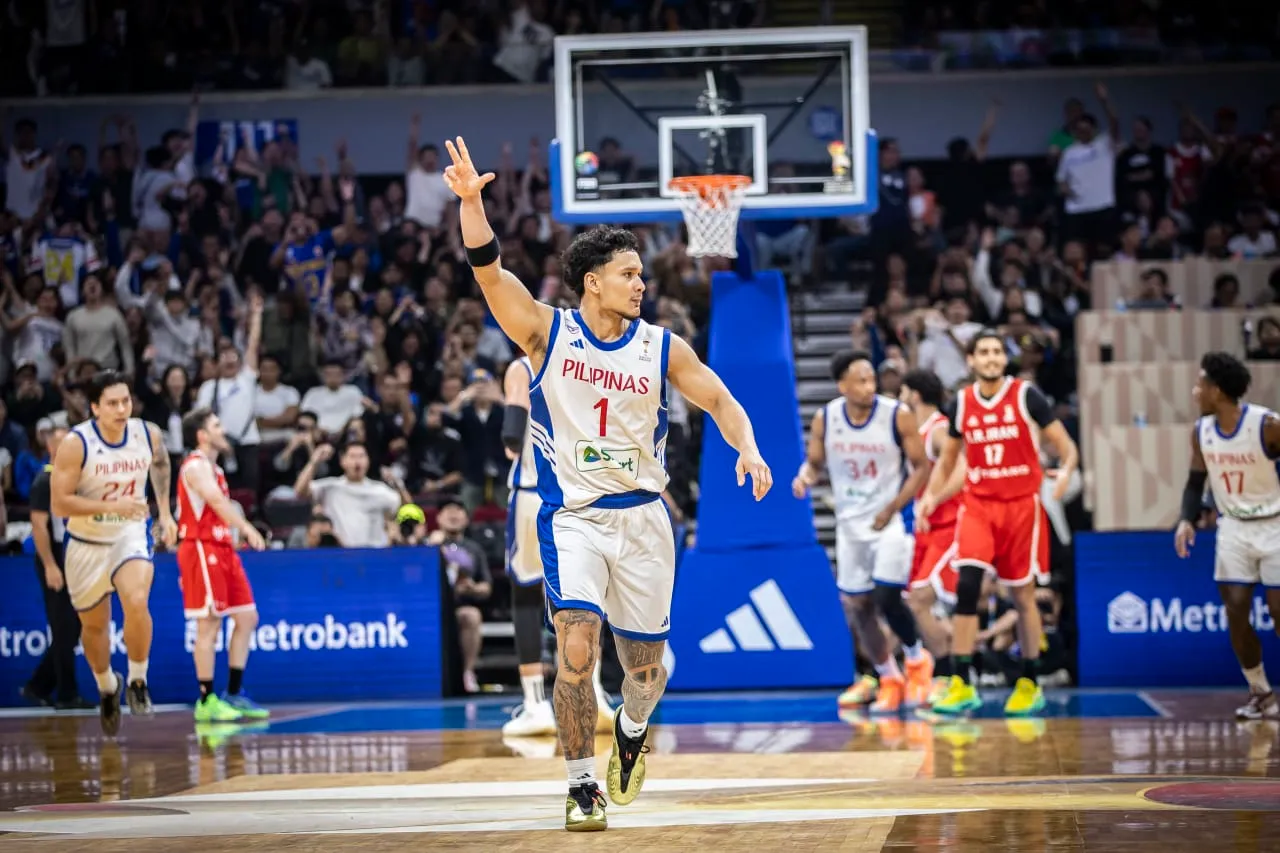
Results have had their ups and downs, including a seventh-place finish at the 2025 FIBA Asia Cup. Yet fan support remains firm. For two World Cup qualifiers at the Mall of Asia Arena in Manila in August 2026, tickets sold out almost entirely within about a week, and Gilas beat Jordan and Iran back to back. An SBP official described the crowd as the “sixth man.”
5. What Gilas means for sponsors
According to the SBP's official website, current sponsors include MVP group companies PLDT, Smart and Cignal, along with ball maker Molten and others. Nike supplied the uniforms from 2007 to 2024, and the team switched to adidas in 2025. Chicken chain Chooks-to-Go also joined as a major backer in 2016.
A key feature of sponsoring Gilas is that it speaks not to a particular fan segment but to the entire nation. National team games are one of the few occasions when the whole country cheers in the same direction, and by aligning with the story of “Puso,” brands connect themselves with patriotism and solidarity.
6. What it means for Japanese companies
Gilas shows the overwhelming reach of national basketball games in the Philippines. Because Japan was also a co-host of the 2023 World Cup, the interests of basketball fans in the two countries overlap. For Japanese companies looking to build awareness in the Philippines, advertising timed to national team games and messages that align with the values symbolized by “Puso,” such as perseverance and unity, are likely to resonate with a broad audience.